
Blog > What to Look for During a Home Inspection Visit
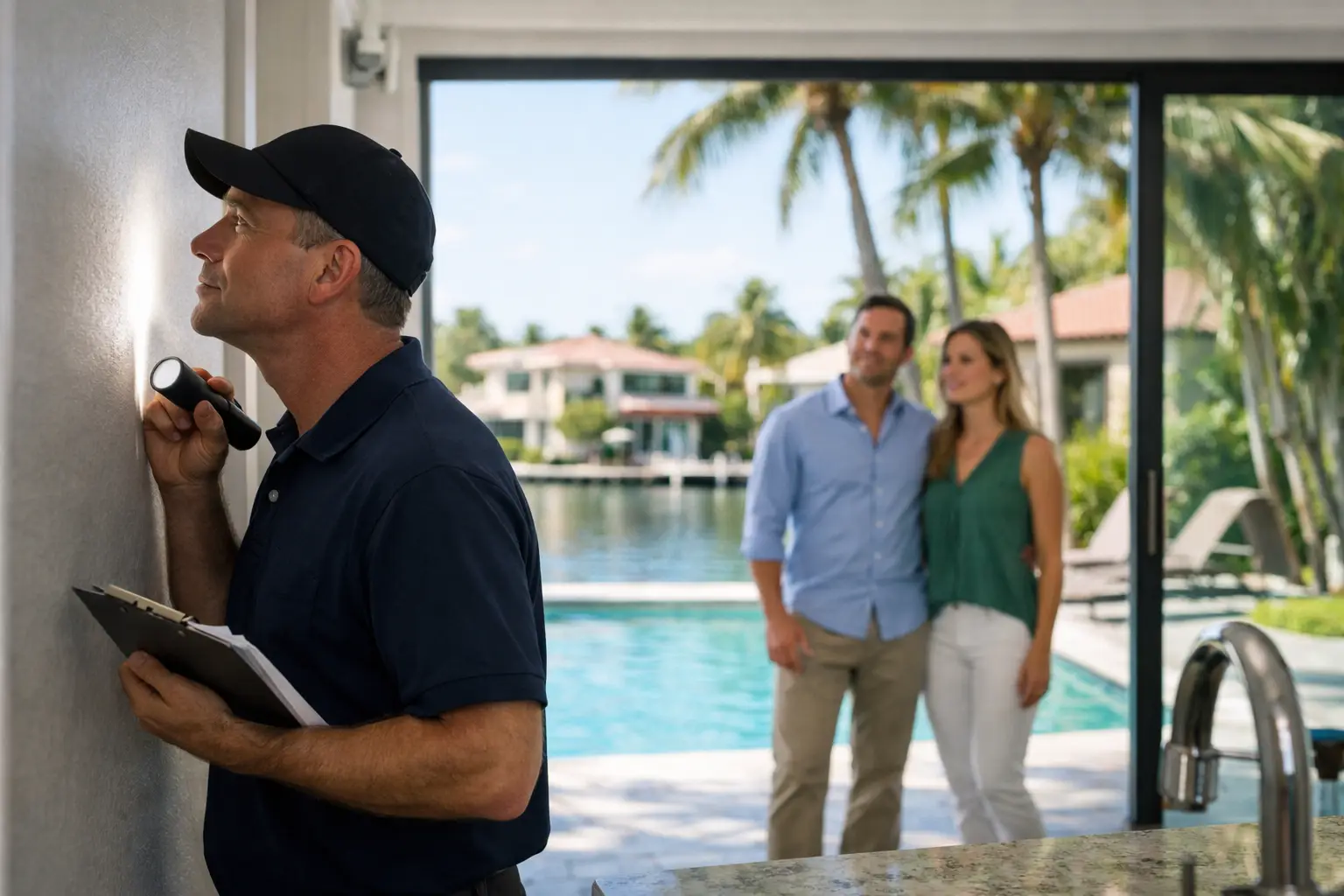
A home inspection can change the direction of a South Florida sale in a single afternoon. Knowing what to look for during home inspection helps sellers prepare for legitimate concerns, helps buyers separate serious issues from routine maintenance, and keeps both sides focused on a workable transaction rather than a long repair list.
In Broward and Palm Beach Counties, inspections often reveal issues tied to heat, humidity, heavy rain, salt air, aging building materials, and hurricane exposure. A cracked driveway or loose cabinet hinge may be easy to address. A roof nearing the end of its useful life, an old electrical panel, water intrusion, or unpermitted work deserves a closer look because it can affect financing, insurance, appraisal, and negotiations.
What to Look for During a Home Inspection in South Florida
A standard home inspection is a visual review of accessible systems and components. The inspector is not guaranteeing a home is defect-free, estimating every future repair, or performing specialty testing unless it is separately ordered. Still, the report is one of the most influential documents in a resale transaction.
For sellers, the goal is not to make an older home look brand new. It is to understand the condition of the property before a buyer does, correct obvious concerns where practical, and be ready to respond intelligently if an issue comes up. For buyers, the goal is to identify material risk, budget for maintenance, and avoid treating every minor notation as a reason to reopen the entire deal.
Roof condition and signs of water intrusion
In South Florida, the roof is usually near the top of the inspection conversation. Inspectors look for damaged or missing shingles or tiles, deteriorated flashing, soft spots, ponding water on flat roofs, exposed fasteners, and visible wear around vents and penetrations. They may also note the apparent age and material of the roof.
Inside the home, ceiling stains, peeling paint, bubbling drywall, and mildew odors can point to past or active moisture issues. A stain does not automatically mean the roof is leaking now, but it does invite questions. Sellers should keep roof repair invoices, warranty information, and permits available if they have them. If a report identifies a concern, a licensed roofer may be needed to determine whether the condition requires repair or replacement.
Roof condition can also affect a buyer's ability to obtain or maintain homeowners insurance. This is particularly relevant for older homes in Fort Lauderdale, Pompano Beach, Oakland Park, and other communities where housing stock varies widely by neighborhood and construction era.
Electrical panels, wiring, and safety items
Inspectors commonly test accessible outlets, switches, ground-fault circuit interrupters, breakers, and visible wiring. They also review the electrical panel for signs of corrosion, overheating, double-tapped breakers, missing knockouts, or outdated components.
Not every electrical notation is a major expense. Missing ground-fault protection near kitchens, bathrooms, garages, or exterior outlets may be a relatively straightforward correction. On the other hand, an older panel, aluminum branch wiring, evidence of overheating, or improvised wiring should be evaluated by a qualified electrician.
Sellers should not attempt quick electrical fixes simply to make a report look better. Proper documentation from a licensed professional carries far more weight than a cosmetic repair with no record behind it.
Plumbing, drainage, and water-related damage
Water travels quietly and expensively. During an inspection, pay attention to active leaks under sinks, slow drains, corroded supply lines, water heater age and installation, toilet movement, and moisture beneath vanities or around tubs and showers.
Older South Florida homes may also have aging drain lines that deserve additional review. A standard inspection does not always include a sewer scope, but buyers may request one when a property is older, has recurring drain backups, mature trees near sewer lines, or shows signs of plumbing trouble. A camera scope can reveal conditions that are not visible from inside the home.
Moisture damage is equally important around windows, doors, exterior walls, and air-conditioning equipment. In our climate, a small drainage or condensation issue can become a larger mold or drywall repair if ignored. If an inspector notes suspected mold-like growth or significant moisture, the right next step depends on the situation and may require a qualified specialist.
Air conditioning, attic ventilation, and insulation
Air conditioning is not a luxury item in South Florida. It is a daily-use system, and buyers will pay close attention to its age, cooling performance, visible condition, and drainage setup. Inspectors may identify rusted components, damaged insulation on refrigerant lines, an improperly installed condensate drain, or signs that an air handler is leaking.
An older system is not automatically defective, but sellers should expect questions if it is near the end of its anticipated service life. Service records can help show that the system has been maintained. Buyers should understand that an inspector can observe operation at the time of inspection but cannot predict exactly how long an older unit will last.
Attics also matter. Inspectors look for water staining, inadequate ventilation, damaged trusses, disconnected ductwork, and insufficient insulation. In a hot, humid climate, poor attic ventilation can contribute to higher cooling costs and moisture problems.
Windows, doors, and hurricane protection
Inspectors review windows and exterior doors for operation, damaged glass, failed seals, rot, corrosion, water entry, and security concerns. In coastal and near-coastal areas such as Lauderdale-by-the-Sea, Lighthouse Point, and Deerfield Beach, salt exposure can accelerate corrosion on hardware and exterior components.
Hurricane protection deserves its own conversation. Impact-rated windows and doors, accordion shutters, panels, and other systems may affect insurance documentation and buyer confidence. However, an inspector's comments do not replace a wind mitigation inspection or confirmation of product approvals. Sellers with impact openings or installed shutters should gather permits, receipts, labels, and any related records before listing.
Structure, exterior surfaces, and drainage
Inspectors will note visible cracks, settlement indicators, wood rot, damaged stucco, loose railings, deteriorated fascia, and exterior conditions that may allow water into the home. Most cracks are not structural failures, but wide, expanding, or unusual cracks should not be dismissed without appropriate evaluation.
Look closely at grading and drainage as well. South Florida's intense rainstorms can expose problems quickly. Water should move away from the home where possible, gutters and downspouts should discharge appropriately, and exterior surfaces should not direct runoff toward doors or foundations.
Pool homes require an added level of attention. Inspectors may review visible pool equipment, safety barriers, deck conditions, and obvious leaks or equipment concerns. A dedicated pool inspection can be worthwhile when the pool, heater, salt system, or equipment is older or when there are visible signs of deterioration.
Permits, additions, and condominium considerations
An inspection may identify an enclosed patio, garage conversion, added bathroom, roof replacement, window installation, or electrical work that raises permit questions. Inspectors do not typically verify permit history in the same way a municipality does, but visible discrepancies can cause a buyer to investigate further.
For sellers, it is better to locate permits and final approvals early than to scramble after contract. Unpermitted work can complicate financing, insurance, appraisals, and buyer confidence. If you are unsure about a prior owner's renovation, review available municipal records and speak with the appropriate professional before making representations about the work.
Condominium and townhouse buyers should also understand the line between the unit and the association's responsibility. The inspection may identify issues with interior systems, windows, balconies, or exterior elements, but the association's governing documents and maintenance responsibilities matter just as much. In older condo communities, buyers may also review association documents, budgets, reserves, assessments, and building-related disclosures with their attorney, lender, and insurance professionals as appropriate.
How Sellers Should Handle the Inspection Report
The strongest inspection response is strategic, not emotional. Reports are intentionally detailed because inspectors document what they see. A 30-page report does not necessarily mean a home has 30 major problems.
Start by separating health and safety concerns, active leaks, roof issues, electrical hazards, significant plumbing defects, and potentially costly system failures from ordinary maintenance. Loose screens, minor caulk gaps, worn weatherstripping, and small cosmetic flaws are common in lived-in homes. The age of a system is also different from a confirmed defect.
Then consider the contract, current market conditions, the buyer's financing, and the likely cost of a repair. Sometimes making a repair before closing is the cleanest path. Sometimes a credit or price adjustment is more practical, especially when a buyer prefers to select their own contractor. In other situations, it makes sense to obtain a specialist opinion first rather than negotiating from an inspector's preliminary observation.
Avoid hiding known issues or making promises that cannot be documented. If you agree to repair something, use a qualified professional when appropriate and keep the paid invoice. A vague agreement to "fix everything" creates unnecessary risk for everyone.
For homeowners planning to sell in the next several months, a pre-listing inspection can be useful when the home is older, has deferred maintenance, or may raise insurance questions. It is not necessary for every property, and it will not eliminate a buyer's inspection. It can, however, give a seller time to address concerns without the pressure of a contract deadline.
A well-managed inspection is part of protecting your sale price and your timeline. Before listing, Komplete Realty can help South Florida homeowners identify likely inspection issues, prioritize sensible preparation, and position the home with clear expectations. The best outcome is not a report with no comments. It is a transaction where the real issues are understood, documented, and handled without losing momentum.
GET MORE INFORMATION
