
Blog > South Florida Flood Zone Guide for Home Sellers
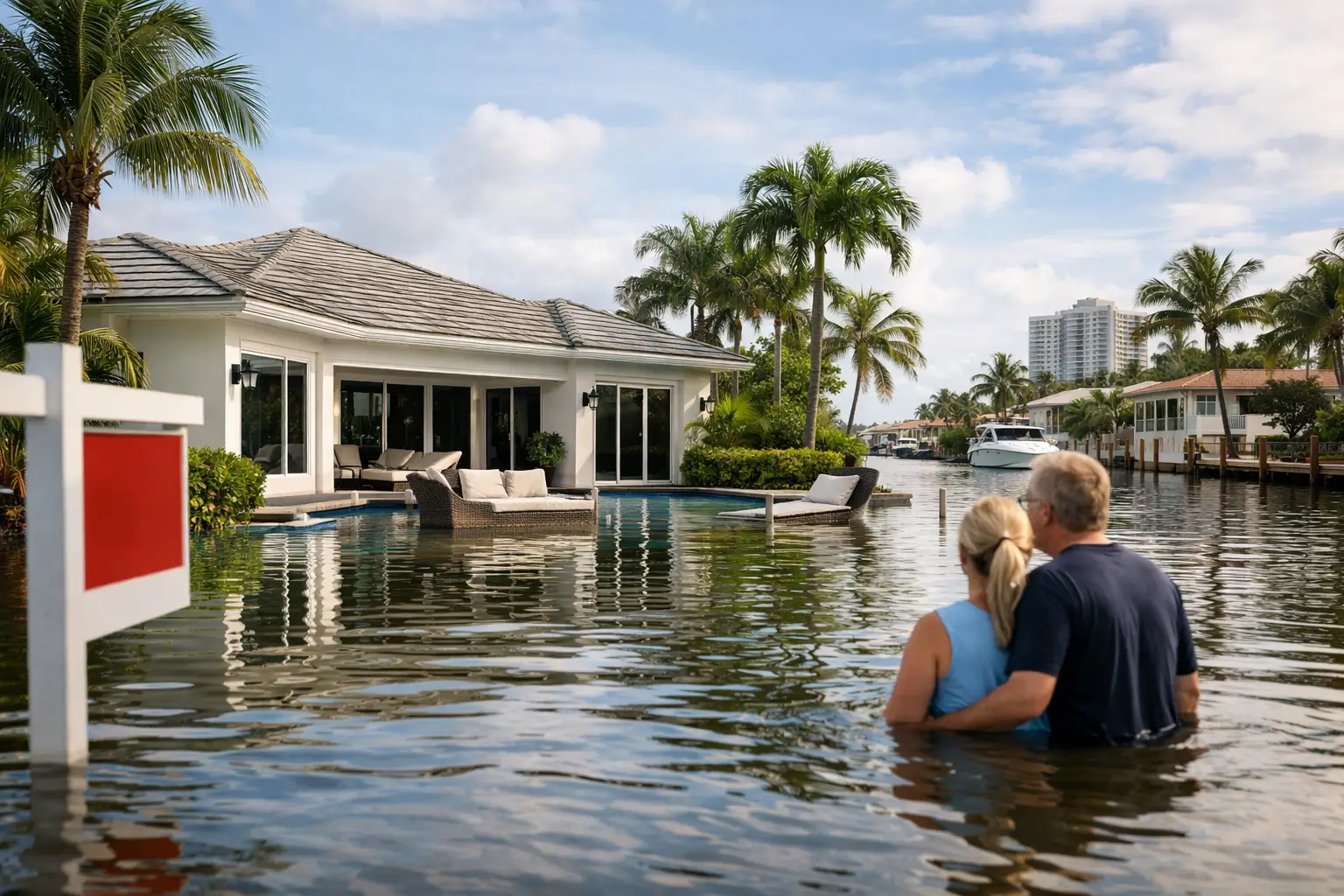
A buyer may love your Fort Lauderdale bungalow, Pompano Beach condo, or Coral Springs pool home, then pause when an insurance quote or lender request raises a flood-zone question. That is why a South Florida flood zone guide matters well before your property goes live. Flood exposure can affect insurance cost, financing, disclosures, inspection questions, and ultimately the terms a buyer is willing to offer.
For sellers, the goal is not to hide from the subject or assume a map designation tells the whole story. The practical approach is to understand what the designation means, gather the right property records, and present clear information before it becomes a last-minute contract issue.
What a Flood Zone Actually Tells Buyers
Flood zones are mapped by the Federal Emergency Management Agency, commonly called FEMA. The maps identify areas with different levels of modeled flood risk, generally based on factors such as coastal flooding, rainfall, drainage, elevation, and storm surge. They are primarily used for flood-insurance and lending decisions.
A home in a Special Flood Hazard Area, often identified by zones beginning with A or V, has a higher modeled annual flood risk. AE zones are common in many coastal and low-lying parts of Broward and Palm Beach Counties. VE zones are coastal high-hazard areas where wave action is a concern. If a buyer uses a federally regulated mortgage to purchase a property in one of these areas, flood insurance is generally required.
Zone X is also common throughout South Florida. An unshaded Zone X generally indicates a lower mapped risk, while a shaded Zone X can indicate moderate risk. Neither designation means a property cannot flood. Intense rainfall, blocked drainage, king tides, canal conditions, seawall issues, and hurricane-related events can affect homes outside the highest-risk mapped areas.
That distinction matters in a sale. A flood map is not a property-condition report, a guarantee of future insurance cost, or a complete prediction of what will happen in the next storm. It is one piece of the due-diligence picture.
South Florida Flood Zone Guide: Start With the Exact Parcel
Do not rely on a neighbor's flood zone, an old listing, or a general statement that a community is "in a flood zone." Two homes on the same street can have different map designations, elevations, or insurance histories. Condominium buildings can also have details that differ from nearby single-family homes.
Before listing, confirm the current flood designation for the specific parcel and ask whether the map has been revised since you bought the home. A survey, elevation certificate, prior flood-insurance paperwork, and lender documents may help establish the property's history. Your local municipality or county records may also provide useful information about permits, drainage work, and certificates of occupancy, depending on the property.
An elevation certificate can be particularly useful when available. It documents elevation information that may help an insurance professional evaluate a policy. Some owners have one from construction, a prior transaction, or past insurance underwriting. Others may decide to order a new one, especially if the home is in a higher-risk area and the information could clarify the buyer's insurance options.
Whether that expense is worthwhile depends on the property. For a waterfront home in Lauderdale-by-the-Sea or Lighthouse Point, buyers may expect detailed flood and insurance documentation. For an inland home with no known flood history, a current map determination and organized records may be enough. A local insurance professional can explain what information is needed for a reliable quote.
Flood Insurance Can Affect the Contract, Not Just the Closing
The largest transaction issue is often affordability. A buyer who learns late in the process that flood insurance is required, or that the quote is higher than expected, may seek a price concession, request more time, change loan programs, or walk away if the contract permits.
This is especially relevant when a buyer is financing the purchase. The lender may require proof of acceptable flood coverage before closing. Cash buyers have more flexibility, but they still consider ongoing ownership costs, particularly in coastal markets where insurance already receives close scrutiny.
Sellers should avoid quoting a future premium as if it were guaranteed. Insurance pricing is personal to the buyer's coverage choices, the structure, deductible, insurer, elevation information, and other underwriting factors. A seller's current policy may not transfer in the same form or at the same price. Instead, provide the documents a buyer or insurance agent can use to obtain an informed quote.
For condominiums and townhomes, the conversation can be more involved. The association may carry a master policy covering portions of the building or common elements, while the unit owner needs separate coverage for interior improvements and personal property. Buyers will want to understand the association's insurance program, deductibles, reserves, claims history when available, and any special assessments tied to storm or water-related repairs. Sellers should have the association documents and recent budget information ready rather than waiting for a buyer to ask.
Disclose History Clearly and Early
A mapped flood zone and an actual flooding event are different facts, and both can be material to a buyer's decision. If you know the property has experienced water intrusion, flood damage, repeated drainage problems, roof leaks that caused interior damage, or repairs related to a prior event, discuss the disclosure with your real estate professional and, when appropriate, a Florida real estate attorney.
The best seller strategy is accurate, documented disclosure. Keep invoices, permits, mitigation records, photos of completed repairs, and warranties organized. If water entered a garage during a major storm but did not enter the living area, explain that fact precisely rather than using vague language. If a drainage improvement or seawall repair was completed, provide the supporting details without overstating what it guarantees.
Buyers are usually more comfortable with a known issue that was properly addressed than with a surprise found through an inspection, insurance inquiry, or conversation with a neighbor. Clear disclosure also helps your agent frame the property accurately in marketing and respond consistently during negotiations.
Pricing a Home With Flood Considerations
A flood-zone designation does not automatically reduce a home's value by a fixed percentage. South Florida buyers evaluate the whole property: location, condition, lot, water access, school and commute preferences, HOA structure, insurance costs, comparable sales, and the availability of alternatives. A well-maintained home in an AE zone may compete strongly when it is priced with the full cost of ownership in mind.
The challenge comes when sellers price solely from nearby sales without considering whether those sales had similar flood designations, elevations, insurance obligations, or waterfront characteristics. A comparable in an unshaded Zone X may not be a perfect benchmark for a home requiring flood coverage. Conversely, a higher-risk designation should not lead to a discount based on assumptions rather than current buyer behavior and actual costs.
A thoughtful pricing review should look at recent competing listings and closed sales, then identify how flood and insurance information influenced buyer interest, days on market, credits, or renegotiations. In Fort Lauderdale, Pompano Beach, Oakland Park, and Wilton Manors, those details can vary sharply by micro-location and property type.
Prepare Before the First Showing
Flood concerns are easier to manage when the listing file is complete. At a minimum, sellers should be prepared to share the current flood-zone determination, prior elevation certificate if one exists, current insurance declarations page if appropriate, known claim and repair information, permits for relevant work, and HOA insurance documents for attached properties.
Also make the property itself easy to evaluate. Clear exterior drains, remove debris around gutters and downspouts, address visible grading or water-management concerns, and repair active leaks before listing. These steps will not change a FEMA designation, but they can reduce inspection concerns and demonstrate responsible ownership.
Avoid making broad promises such as "the home never floods" unless you can support that statement and understand its implications. South Florida weather is too variable for casual assurances. It is better to communicate what you know, what work has been done, and what records are available.
A seller who addresses flood-zone questions before launch is in a better position to protect both price and negotiating leverage. Komplete Realty can help homeowners review the local market context, organize the information buyers are likely to request, and develop a pricing and marketing plan that does not leave important questions for the final week before closing.
GET MORE INFORMATION
